
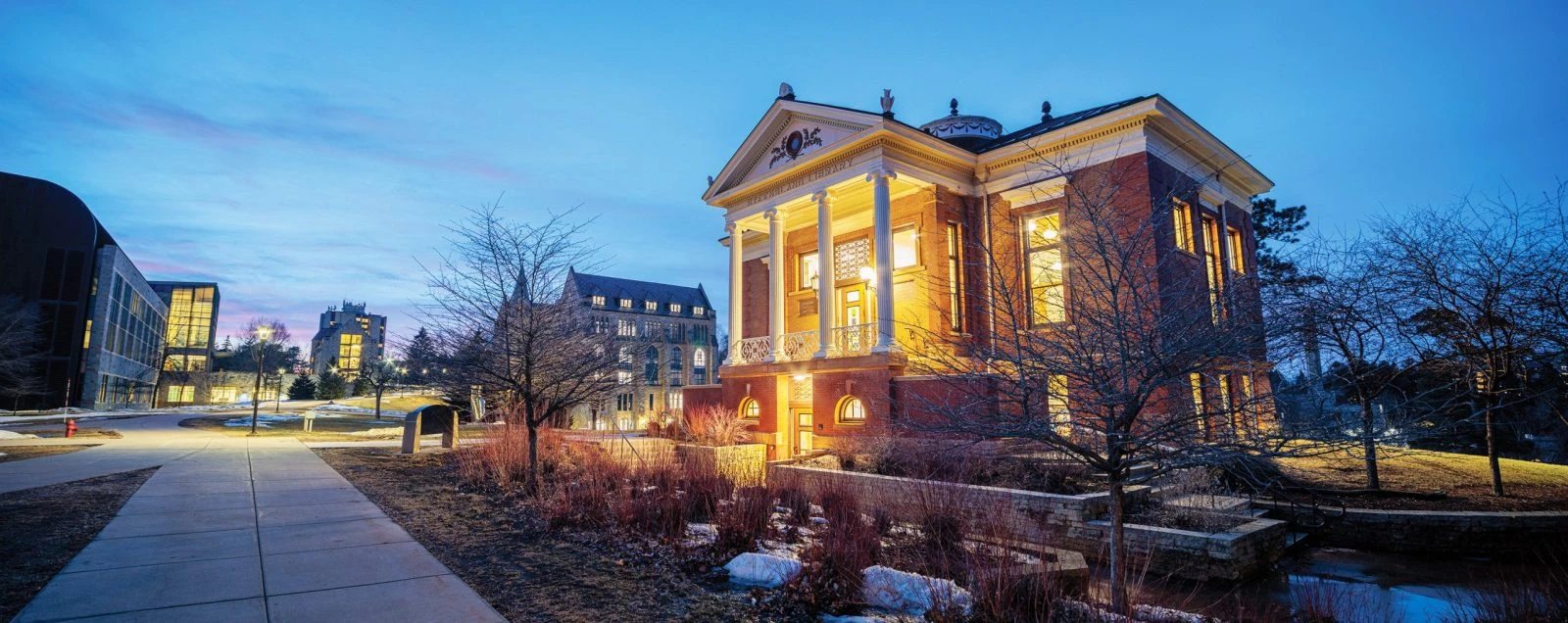
Despite its modest proportions, no building at St Olaf College has served more purposes than the 120-year-old Steensland Hall.
One of the most iconic buildings on campus, the small Neoclassical Revival-style building nestles alongside Old Main and features in many of the campus’s most picturesque photographs. One of only two St. Olaf buildings on the National Register of Historic Places, Steensland holds many titles years, from the library to the concert hall to the art gallery.
In recent years, Steensland Hall has stood largely empty, with its future purpose a source of intrigue among students, faculty, staff and alumni. But the long wait is finally over. After an extensive renovation, Steensland reopened in autumn 2021 as a new space for the Hong Kierkegaard Library, which houses the largest collection of works by and about the 19th-century Danish philosopher Søren Kierkegaard outside of Denmark.
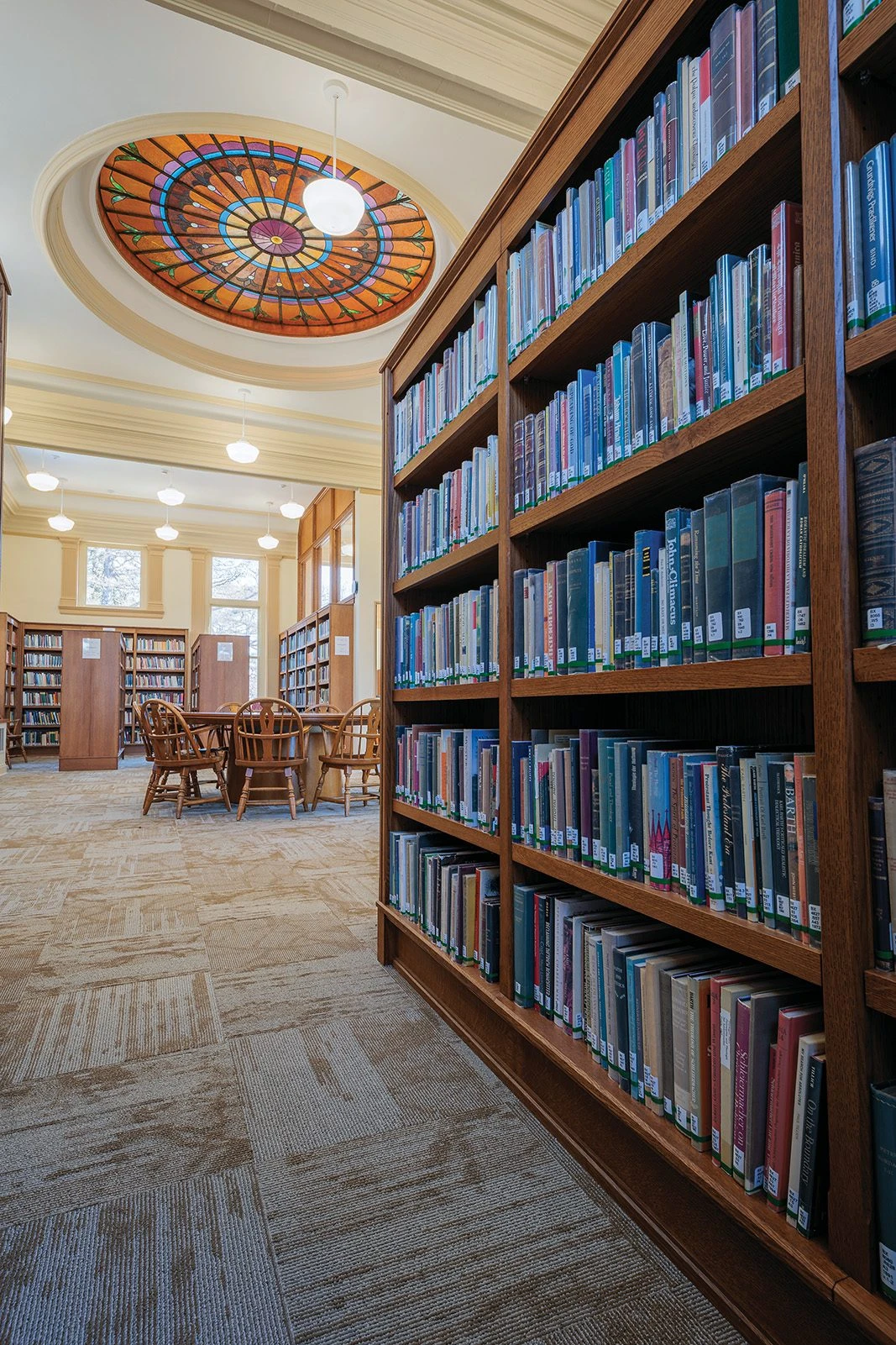
In keeping with the return to its original function as a college library, the newly refurbished premises at Steensland closely resemble the building’s original layout. The ground floor is filled with bookshelves filled with works by and about Kierkegaard, while the lower level provides learning spaces for visiting scholars from Kierkegaard and can be used as a classroom.
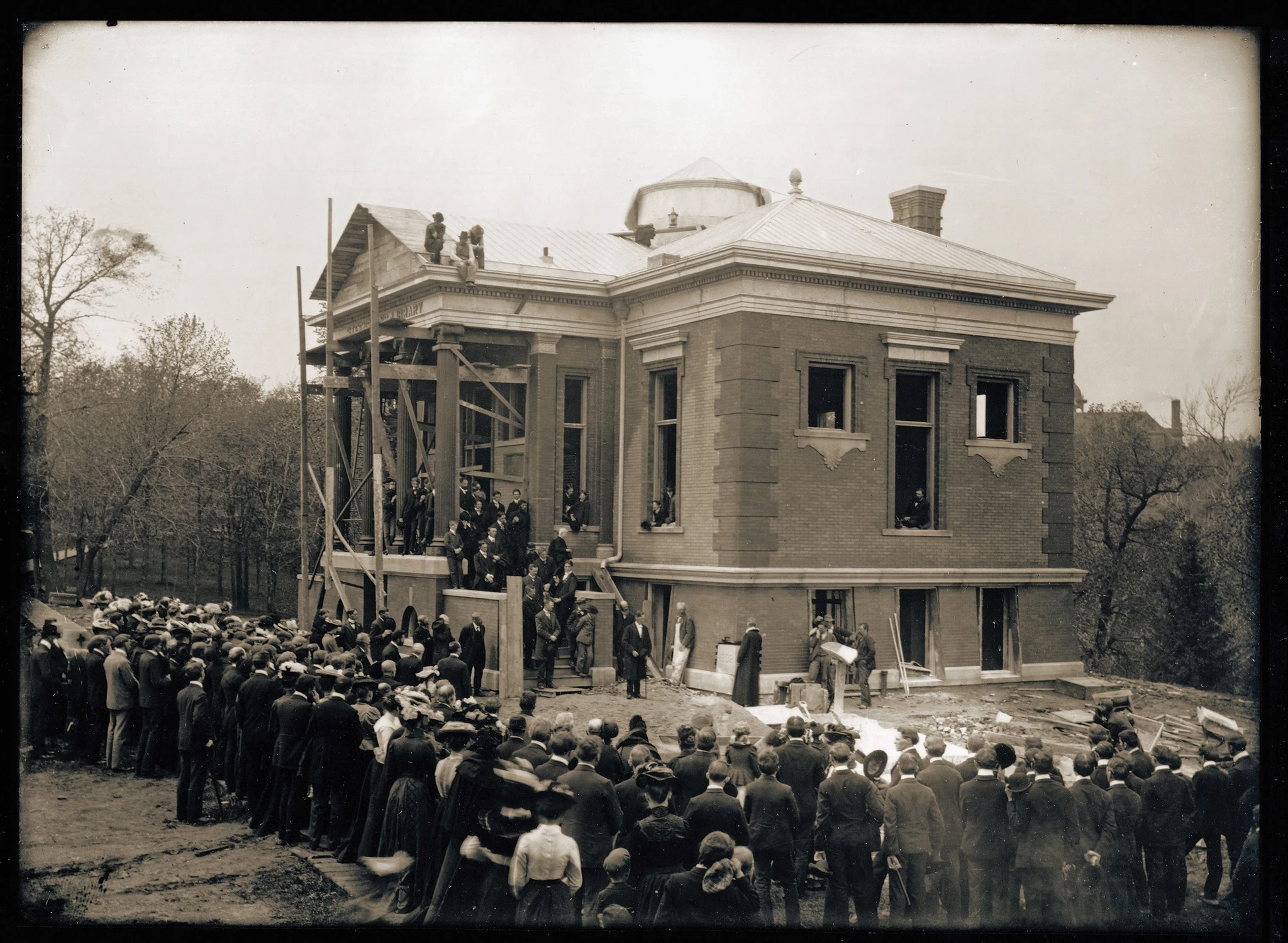
St Olaf Facilities Manager Kevin Larson notes that an important part of Steensland’s renovation was consulting with architects who are knowledgeable about historic restorations and keen to preserve the historic integrity of the building. Kierkegaard Library Associate Curator Eileen Shimota shared archival photos with the team overseeing the renovations that showed what Steensland looked like in his early years. “During the renovation, it was very important to preserve the history of the building,” she says.
While preserving the historic integrity of Steensland Hall was at the forefront of discussions, bringing the building into the 21st century was also a priority. Renovations totaled $1.5 million and included new heating and cooling systems, all new doors and windows, and major updates to bring the building into compliance with the Americans with Disabilities Act (ADA), including a new one toilet and an elevator that takes visitors from floor to floor. The renovations allowed the building to better serve today’s campus community.
“It’s great to see Steensland meet the needs of the Kirkegaard Library with a classic look in a beautiful building,” says Larson.
The college’s first library
Built in 1902, Steensland was among the first buildings constructed on the fledgling St. Olaf campus, a sign of the importance early college leaders placed on having dedicated space for a first-rate library. The building’s namesake, Halle Steensland, was a Norwegian-American immigrant and businessman who bore the majority of the $13,000 cost of building the library. Steensland served as Vice Consul for Norway and Sweden in Madison, Wisconsin, and at the time his gift was the largest the college had ever received.
In the first four decades of its use, the library’s collections grew tenfold, coinciding with a rapidly expanding student population. It quickly outgrew the small footprint of Steensland Hall, which was unable to hold its collection and serve the college community. Students and alumni began lobbying for a new library, and in 1942 the Rolvaag Memorial Library – which still serves as the college’s library today – opened.
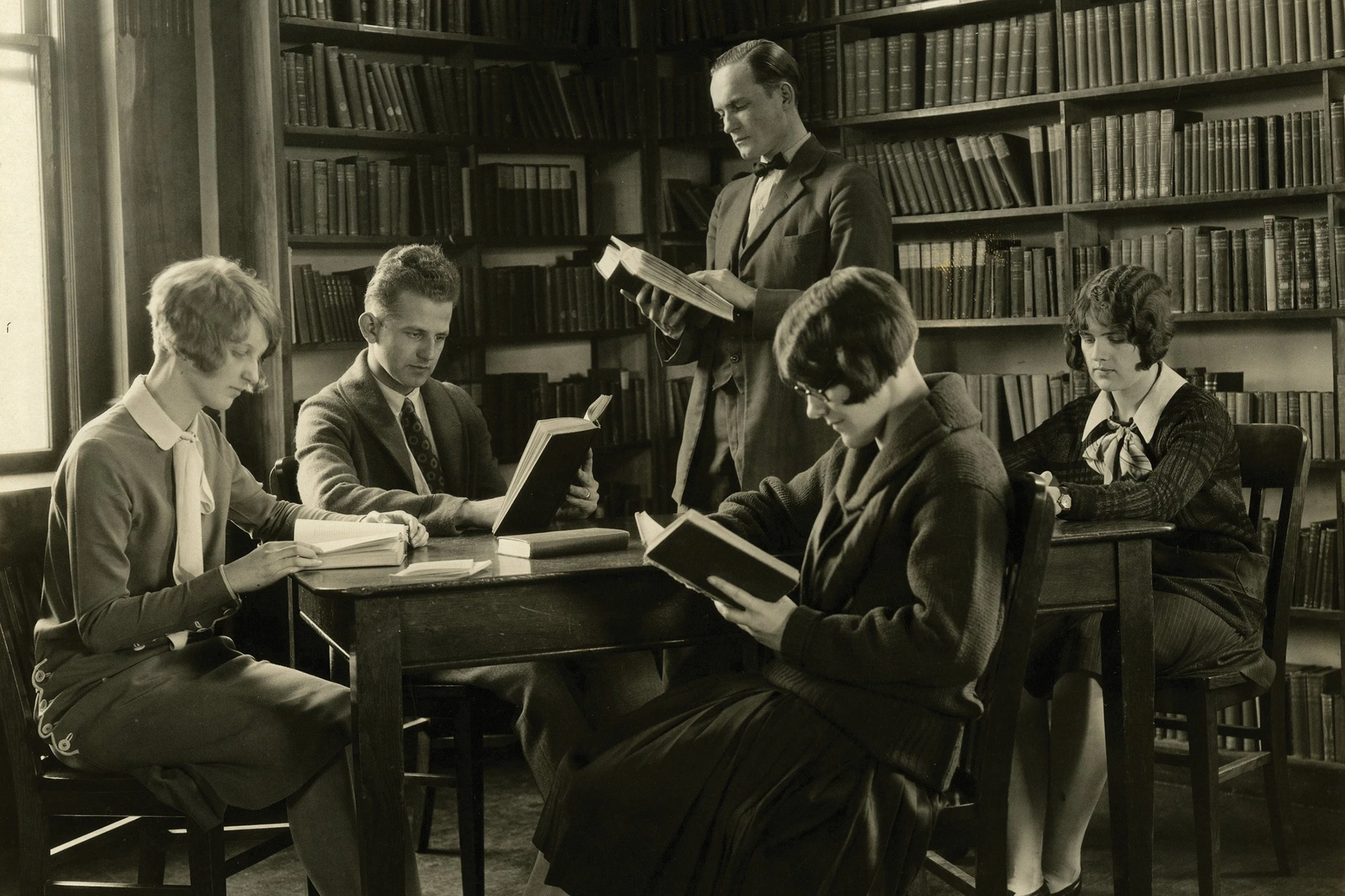
New uses for an old space
After the college’s library collection moved to Rolvaag, Steensland began to serve new purposes. It became a recreation center, then a concert hall, a rehearsal room, an office space for student organizations, and a place to relax between classes. A 1942 student newspaper article reported: “It stood there at Old Main, simple and graceful in architecture, its tall pillars symbolizing its purpose. […] The Steensland Library has not become useless. For the second time in its history, it is a building that responds to a call of great need on campus.”

The Steensland’s ground floor became the performance venue for hundreds of student concerts and the rehearsal space for the St Olaf Choir and Manitou Singers. At the same time, the basement housed the offices of the student newspaper and the viking yearbook. For a time, Steensland was a place for students to relax between classes and it provided a space for the college to show films to the community and host debates and lectures.
The building was even briefly used as a pre-naval flight school between 1943 and 1946 when hundreds of naval cadets arrived for training at the St. Olaf Naval Flight Preparatory School at the start of World War II.
In 1976, more than three decades after Steensland’s role as a library ended, it became the college’s principal art exhibition space. The Steensland Gallery has hosted many high profile art exhibitions and faculty exhibitions, as well as works by renowned artists such as Edvard Munch, Andy Warhol and Keith Haring.
During this time Steensland went through a museum appraisal program and in 1996 the building was officially renamed the Steensland Art Museum. However, this title was relatively short-lived. In 2002, the campus art museum moved to the Center for Art and Dance, where it is still located today.
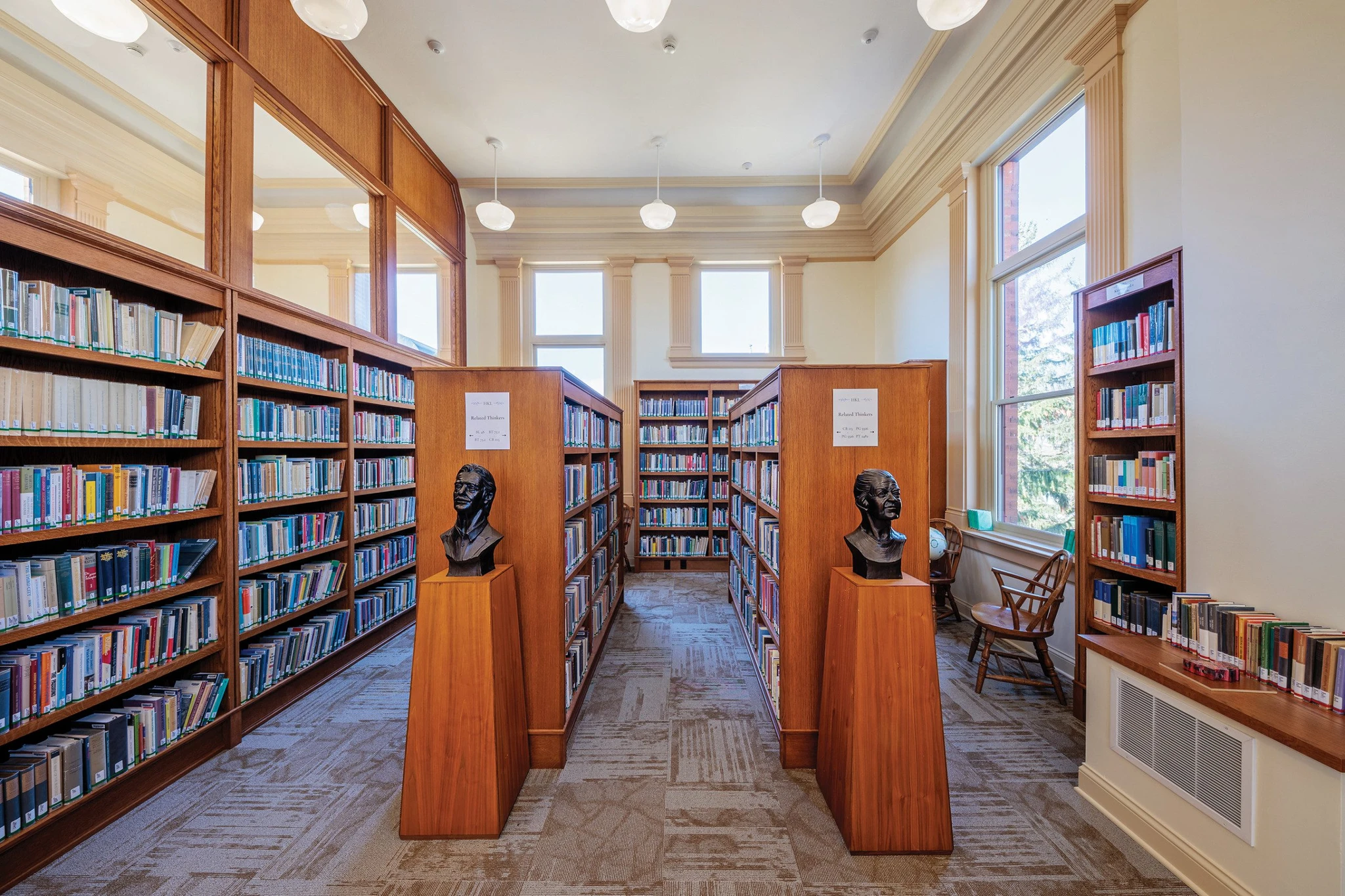
Another library
Steensland Hall has stood empty since 2002, with much discussion and debate in the college community as to how it might best be used. A 2018 article published in the Olaf Bote suggested that Steensland would be an ideal location for a café and study room. A previous article brought up the idea of using the room as a language laboratory.
In 2006, the infamous hailstorm that severely damaged many buildings on campus destroyed Steensland’s iconic stained glass dome. David Kjerland ’65, who owned a stained glass studio in Northfield at the time, discovered that the company that had supplied the glass during the building’s construction in 1902 had original panes of the glass and the dome could therefore be restored in the most authentic way possible .
During Steensland’s sabbatical years, various colleges drop outConsideration has been given to how this historic building can be used. When the Hong Kierkegaard Library Committee proposed the idea of making Steensland its new home, it received support from a variety of campus stakeholders and the approval of President David R. Anderson in ’74.
“Housing the world-class Hong Kierkegaard library in one of the college’s most iconic buildings is a match made in heaven,” says Anderson. “This move celebrates the importance of the Hong Library and refurbishes one of the college’s earliest buildings, returning it to its original purpose. It’s a good thing.”
Home to the world-class Hong Kierkegaard Library in one of the college’s most iconic buildings is marriage heaven.President David R. Anderson ’74
The Hong Kierkegaard Library has fully moved into the premises, and Steensland now houses almost 15,000 volumes by and about the philosopher. Another 5,000 volumes that are part of the Hong Kierkegaard Library are held in the vault of the Rare Book Collection at the Rolvaag Memorial Library.
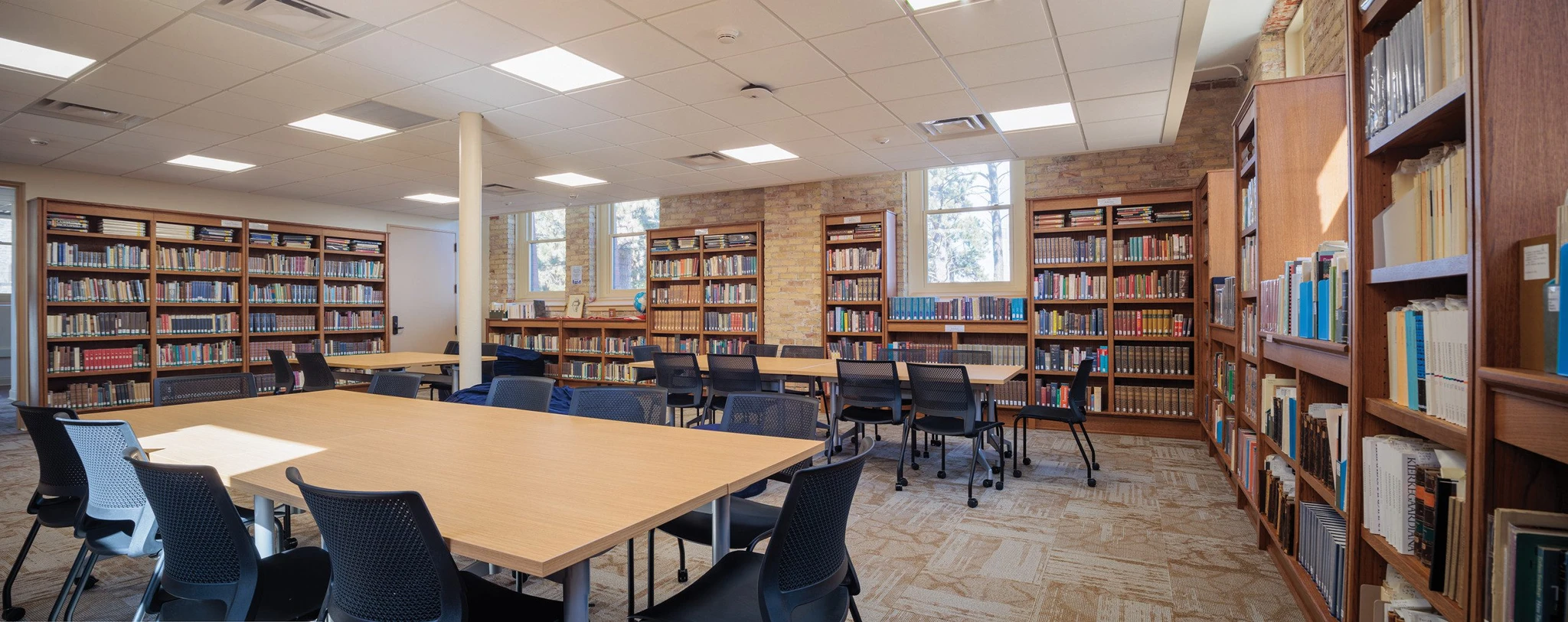
Hundreds of artists, musicians, writers and scholars have found their place at Steensland Hall. The tiny but powerful structure served as an important space for community creation on the hill. The Hong Kierkegaard Library will continue this tradition, welcoming scholars from around the world and inviting professors to teach in the library’s basement and students to study surrounded by the magazines.
“The hope is that this majestic building will become an integral place on campus, welcoming students, faculty,
Staff and scholars,” says Shimota. “It’s an important place with an incredible collection to be used and cherished. We hope that everyone who is interested will come to harvest the wisdom or just enjoy the space.”
Read more about the works that Steensland Hall now houses in the accompanying article in St Olaf Magazine entitled ‘A world-renowned center for the study of Kierkegaard’.